Daily Lens Report
The National Assembly has unveiled the Electoral Act (Amendment) Bill 2025, proposing significant reforms to Nigeria’s electoral framework — including shifting the next presidential and governorship elections to November 2026, six months earlier than the usual February–March schedule.
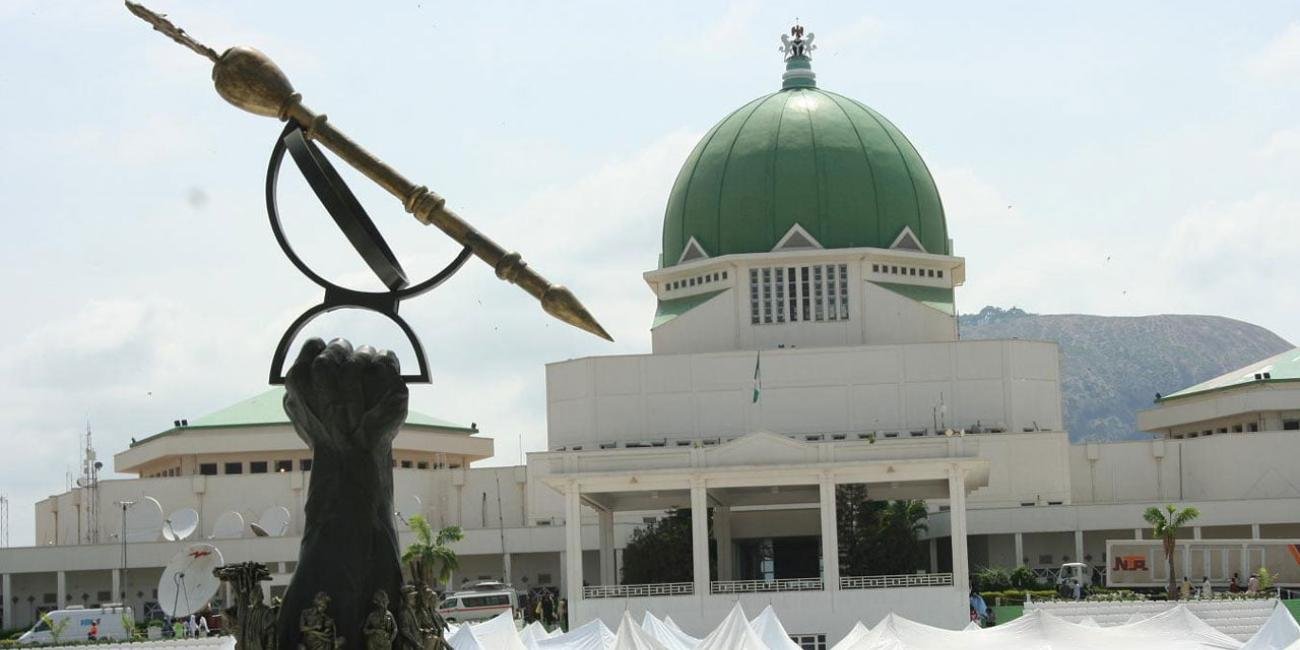
The bill was presented during a public hearing jointly organised by the Senate and House Committees on Electoral Matters in Abuja on Monday.
According to the proposed amendment, elections into the offices of the President and Governors must be conducted not later than 185 days before the expiration of their current terms. This adjustment, lawmakers explained, is intended to ensure that all election petitions are concluded well before the swearing-in of new leaders.
The Chairman of the House Committee on Electoral Matters, Adebayo Balogun, noted that the move would prevent the disruption of governance caused by prolonged post-election litigations. To this end, the National Assembly is also considering amendments to Sections 285 and 139 of the 1999 Constitution to shorten judicial timelines:
*Election tribunal decisions would be reduced from 180 to 90 days,
*Appeal court rulings from 90 to 60 days, and
*The entire electoral dispute process capped at 185 days.
Among other provisions, the bill proposes early voting for certain categories of Nigerians — including security personnel, INEC staff, accredited journalists, and election observers — allowing them to cast their ballots at least 14 days before the general election.
A major highlight of the amendment is the move to make electronic transmission of results mandatory, with penalties for non-compliance. The proposed Section 60(5) stipulates that “the Presiding Officer shall transmit the results, including the total number of accredited voters, to the next level of collation both electronically and manually.”
Officials who issue unstamped ballot papers or result sheets would face a one-year jail term or a ₦1 million fine, according to the bill.
Representing the Independent National Electoral Commission (INEC) at the hearing, Prof. Abdullahi Zuru expressed the commission’s support for the proposed reforms, particularly the mandatory electronic transmission of results, describing it as vital for enhancing transparency and reducing post-election disputes.
The new proposals come on the heels of a July 2025 debate over a related constitutional amendment that sought to hold all elections on the same day beginning in 2027. While opposition parties such as the PDP, Labour Party, ADC, and NNPP backed the idea, the ruling All Progressives Congress (APC) opposed it, warning of possible logistical and security complications.
That earlier initiative, led by the House Committee on Constitution Review chaired by Deputy Speaker Benjamin Kalu, was part of a broader effort to streamline Nigeria’s electoral process, cut costs, and reduce post-election tensions.
If passed into law, the Electoral Act (Amendment) Bill 2025 would mark one of the most far-reaching overhauls of Nigeria’s electoral system since the 2022 reforms, setting the stage for a potentially more credible and efficient electoral process in 2026.